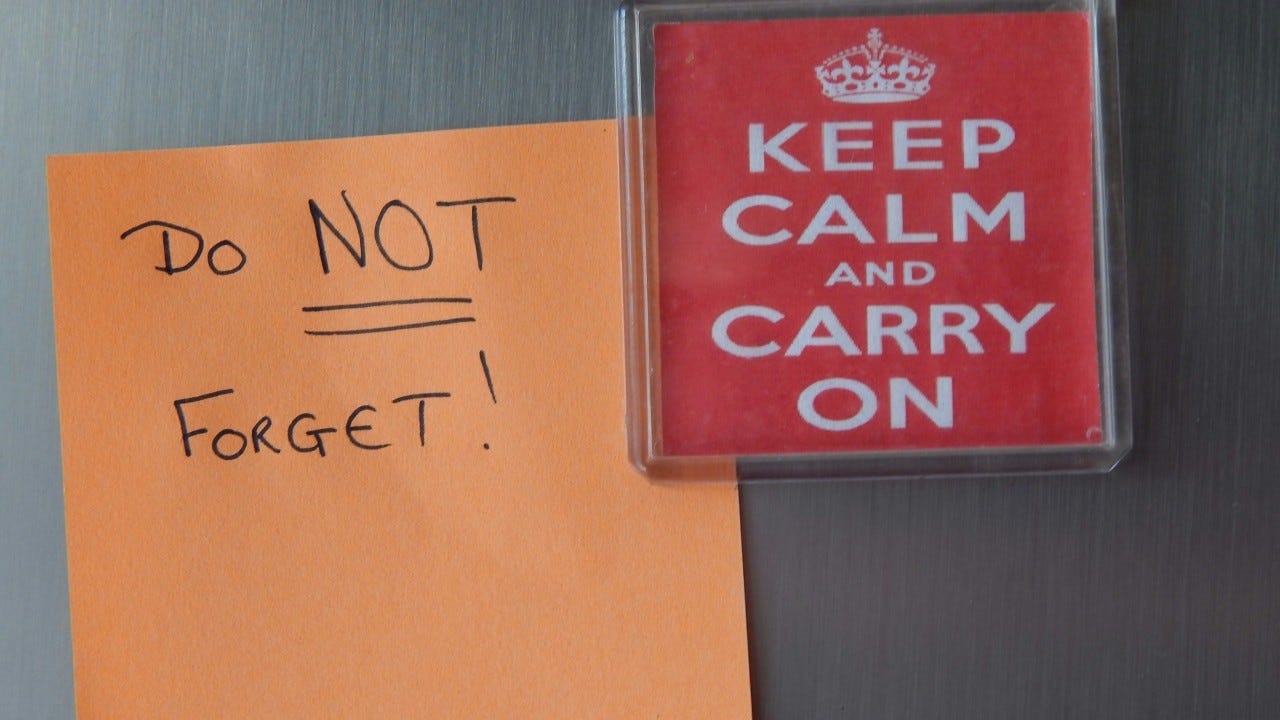
We’ve all had that moment. You walk into a room, stare blankly, and think, What did I come in here for again? If you’re below 40, you might laugh it off. If you’re over 55, you might quietly panic and wonder if this is the beginning of something more serious.
Let’s breathe for a second.
Forgetting things doesn’t mean your brain is broken. And it definitely doesn’t mean you’re ‘getting old and losing it.’ It means you’re human.
We often treat memory like a filing cabinet — we expect it to store every name, date, face, and Wi-Fi password we’ve ever come across. But memory doesn’t work like that. It’s not a fixed thing, it’s plastic — meaning it’s constantly rewiring, pruning, reshaping. That’s not decline. That’s intelligence.
Neuroscientist Donald Hebb summed it up beautifully: “Neurons that fire together, wire together.” The more we use a particular mental path — the more we connect ideas, emotions, or movements — the stronger that path becomes. So if you’re remembering stories from childhood more vividly than last week’s shopping list, it’s not because you’re fading — it’s because those old memories are deeply grooved into your system. And that list? You probably never paid much attention to it in the first place.
Because that’s the real crux: memory isn’t just about storing. It’s about noticing. And these days, with our brains juggling messages, meetings, our scrolling habits, and that running internal monologue, it’s no wonder a few things fall through the net.
“But what if I can’t remember things that do matter?”
A fair question. And one I hear often in coaching sessions.
The truth is: when life gets overwhelming, even meaningful moments can feel like a blur. It’s not because you don’t care. It’s because your attention is scattered. And memory follows attention like a shadow.
If you’re not really present in a moment — a conversation, a class, a book — your brain doesn’t lay down strong tracks to find it later. It’s like trying to follow a trail that was never marked in the first place.
The fix isn’t to force your brain to “try harder.” It’s to slow down and be there when it counts. That means putting your phone down when someone’s speaking. Reading without multitasking. Taking a breath before rushing into the next thing. It’s deceptively simple — but powerful.
Here are a few things that help me when memory feels slippery:
I think out loud. “Yes, I’m putting the glasses in the drawer with the blue scarf.” Saying it makes it land more clearly.
I use the ‘memory palace’ technique. It sounds a bit wierd but it’s actually very simple — and surprisingly effective. Imagine walking through a place you know well — your home, for example. You mentally ‘place’ the things you want to remember in specific spots: your to-do list item goes on the hallway table, the three things you need to do later sit on the kitchen chair, that brilliant idea you had goes on the bathroom sink. Then, when you want to recall them, you mentally walk through your home and pick them up again. It works because the brain remembers places incredibly well — so when you attach something new to something familiar, it sticks better. It’s not magic. It’s association. And it works.
I write things down — but not everything. Only what I want to remember, reflect on, or revisit. Writing gives the brain a second layer of encoding.
I do my best to get good sleep. Honestly, no brain performs well when it’s exhausted.
And most of all, I try not to panic. Because the truth is: memory is selective on purpose. Your brain is trying to help you — not sabotage you. It’s keeping what’s emotionally relevant, not what someone said in a meeting while you were half-listening and emptying the dishwasher.
A gentle reminder if you’re being hard on yourself:
Your brain is not a storage device. It’s a storyteller. Forgetting is not failure — it’s filtering. You can retrain what you remember by choosing where you place your attention. Age doesn’t erase memory — it reshapes what matters. You’re not falling apart. You’re just human, and brilliantly so.
And my stongest advice of all – stop blaming yourself for forgetting what doesn’t matter (it’s wasting the energy in that beautiful brain of yours) — and start paying attenstion to what does. Your memory isn’t failing, it’s just prioritising. You can too!
#MemoryMyths #Neuroplasticity #AttentionMatters #YoureNotLosingIt #MindfulLiving
Thank you for reading – the only reason I write is to have readers! So if this landed with you, why not subscribe to my page. It’s free and its one way for me to see that I have readers, and for you, why not join me in exploring the psychology of everyday life — one honest insight at a time
.
This article was originally published in my newsletter, The Next Decade. Read it on Substack or subscribe to get the next edition in your inbox.
Enjoyed this? Get the next edition.
Subscribe and I’ll email you a link each time a new edition is published.