The other day someone mentioned a friend who had recently retired. Then they paused.
“Well… semi-retired,” they said. “He doesn’t really like calling himself retired.”
I understood immediately. Not because I know the man. I don’t. But because I recognised what he was trying to protect. His relevance.
I found myself inventing this man. In my mind he was healthy, curious, well-read, still irritatingly busy, with forty years of hard-earned experience, a calendar fuller than mine and enough energy to wear out people twenty years younger. Exactly the sort of person who does not belong to the word … retired.
It’s a funny word. Not “ha-ha” funny. More, “How on earth did we all agree this made sense?” funny. Because the moment we hear it, our brains don’t simply think, He’s left his job. Our imagination gets involved. We picture someone slowing down. Taking it easy. Developing an unexpectedly passionate interest in bird tables, compost, and telling complete strangers that the traffic was much lighter in 1987. Somewhere along the line, society seems to have confused drawing a pension with drawing a curtain.
And yet…
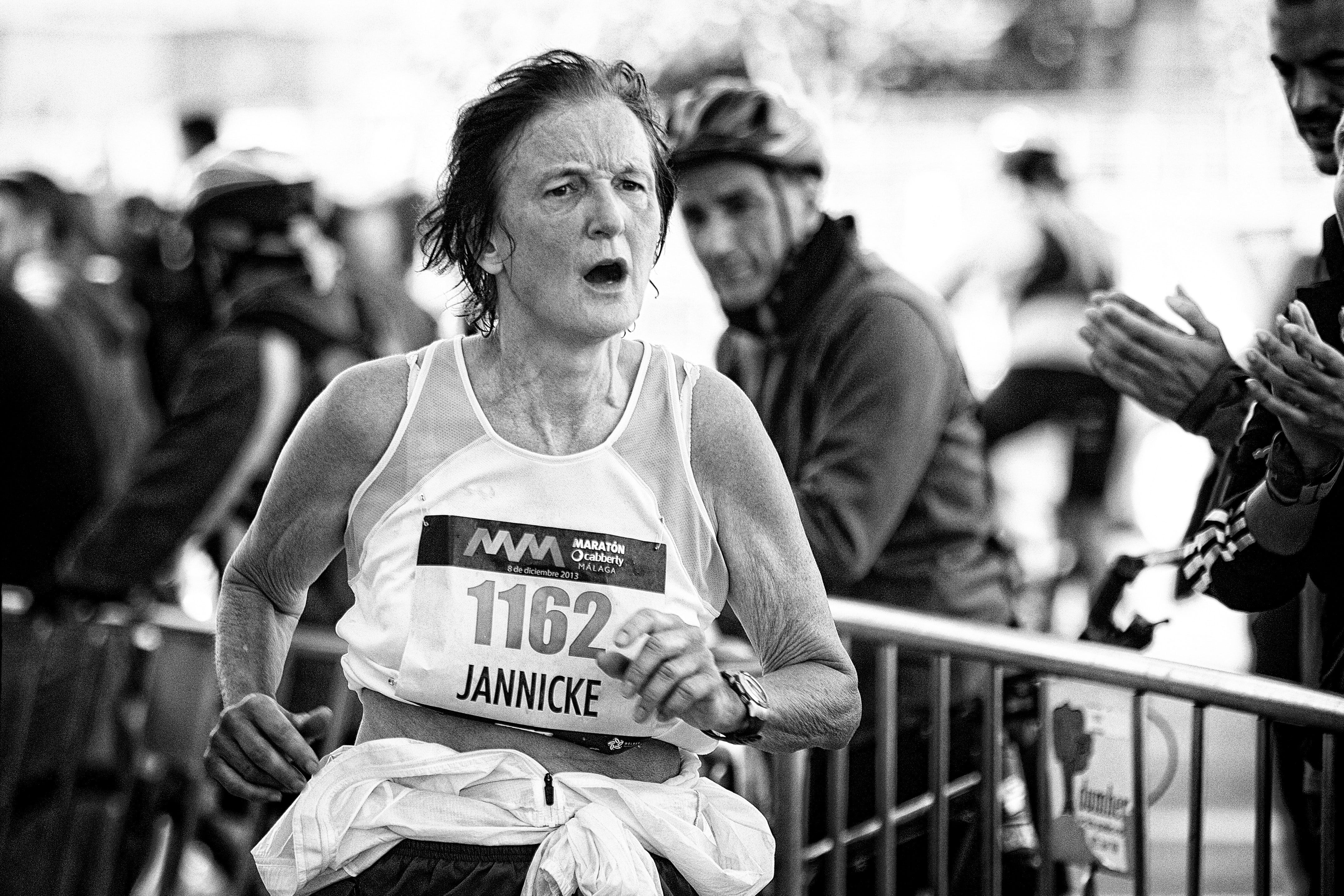
That’s not the generation I know. Today’s sixty-five-year-old is just as likely to be training for a marathon, learning Italian on an app, launching a podcast, mentoring a start-up, writing a book, building a new business, arguing with AI about whether it really understood the email they asked it to write, or finally taking the master’s degree they never had time for. Not exactly someone quietly waiting for the afternoon quiz show to start.
I call this the relevance myth.
The quiet assumption that once you leave your career, you somehow leave your usefulness, your contribution and your place in the conversation behind. Perhaps this generation finds itself in a unique position. Our parents’ generation often did slow down after retirement. Many had spent decades doing physically demanding work, life expectancy was shorter, and retirement genuinely marked the beginning of a quieter chapter.
So those are the role models we inherited. The trouble is though, we don’t recognise ourselves in them anymore. We’re the first generation trying to invent this stage of life as we go. There isn’t really a handbook. There aren’t many role models. Nobody showed us how to leave a career without leaving our sense of purpose behind. We’re trying to write a new chapter with an old script. The generations behind us inherited the same story. When they hear the word retirement, they picture what retirement used to look like.
Perhaps they’re not wrong. They’re simply looking at an old map. The landscape has changed. The map hasn’t. The real danger isn’t that other people keep using the old map. It’s that we begin navigating our own lives by it. In psychology, this is know as internalising a belief. I think of it as borrowing someone else’s script. And once you start reading from it, you begin editing your own life.
“Maybe I’m too old.”
“Perhaps that ship has sailed.”
“It’s probably too late.”
Those aren’t facts. They’re lines from a story that no longer fits the generation living it. One of the most powerful tools psychologists use is reframing. Not pretending reality is different. Changing the meaning we attach to it. The facts stay the same. The frame changes.
Of course, semi-retirement is a perfectly valid stage of life. Many people don’t leave work overnight. Instead, they gradually redesign it. Five days become three. Three become two. A corporate leadership role becomes advisory work. Consulting. Board positions. Interim assignments. Mentoring. Teaching. Coaching. Or simply having the freedom to choose work because it’s meaningful, not because the mortgage demands it. That’s a transition many people actively choose, and I completely understand why.
What interests me is something slightly different. Even when people describe themselves as semi-retired, I often wonder if they’re trying to communicate more than the number of days they’re working. Perhaps they’re also saying,
“Please don’t mistake fewer working days for less relevance.”
Because those are two very different things. Working less doesn’t mean contributing less. It doesn’t mean thinking less. Learning less. Creating less. Or mattering less. I’d rather ask a different question.
What, exactly, did you leave behind when you walked out of the office for the last time?
The desk? The endless meetings? The Sunday evening knot in your stomach? The inbox that somehow produced more emails while you were asleep? Wonderful. Leave those behind.
But what didn’t you leave behind?
Your judgement. Your curiosity. Your resilience. Your creativity. Your wisdom. Your relationships. Your generosity. Your ability to solve problems. Your capacity to make a difference. Those things don’t belong to your employer. They belong to you. You don’t hand them in with your security badge and lanyard.
If you’re approaching this stage of life, perhaps these questions are worth sitting with:
What do I want to leave behind on my desk forever?
Which strengths, knowledge and values do I want to take with me?
What did I always want to do that got neglected during my career years?
Which problems do I still care enough to help solve?
Where can my experience have the greatest impact now?
Who haven’t I had time to become yet?
Notice that none of these questions asks about your age. They ask about your future. These are exactly the kinds of conversations I explore with my coaching clients. Not because there’s a perfect answer waiting to be discovered, but because the quality of the next chapter depends on the quality of the questions we’re willing to ask. The real work isn’t deciding what you’re retiring from. It’s discovering what you’re moving towards.
Perhaps this stage of life isn’t really about retiring at all. Perhaps it’s about becoming more intentional. Choosing where your energy goes. Choosing the people you want to help. Choosing work that gives you purpose rather than simply a payslip. Choosing contribution over convention. Because if we’re lucky, this next chapter isn’t the beginning of the end. It’s the first chapter we’ve had the freedom to write entirely on our own. And perhaps the first thing we should leave behind…
…is the story we’ve been telling ourselves about retirement.
Enjoyed this? Get the next edition.
Subscribe and I’ll email you a link each time a new edition is published.